Certified Arborist Consultation for HOA, Municipal, and Estate Properties
Large properties ask more from trees than most people realize. On an HOA boulevard, a row of coast live oaks has to frame the entrance, survive compacted soil, stay clear of streetlights, and hold up under years of irrigation overspray and parked cars. On municipal grounds, a sycamore might shade a playground in the morning and hang over a bus stop by noon, which turns a routine maintenance decision into a public safety question. On private estates, a mature cedar can be both a signature landscape feature and a quiet source of risk if root decline goes unnoticed under a manicured lawn.
That is where Certified Arborist Consultation earns its place. It is not simply a site walk and a written opinion. Done properly, it is a disciplined evaluation of tree health, structure, species suitability, site conditions, maintenance history, risk exposure, and budget reality. The goal is not to prescribe removal for every problem or to preserve every tree at all costs. The goal is to make decisions that hold up over time, especially when properties serve many stakeholders at Tree service once.
For HOAs, municipalities, and estates, those decisions carry different pressures, but the pattern is familiar. Someone wants to reduce liability. Someone wants to preserve character. Someone needs costs to stay predictable. Someone else is tired of branch litter, root lift, blocked signage, or the annual scramble after a wind event. A certified arborist brings a framework to those competing interests and turns them into a practical management plan.
What a certified arborist is really evaluating
People often think the arborist arrives to answer a single question: should this tree stay or go? In practice, the inspection is broader. Tree condition is rarely about one visible symptom. A thinning canopy might point to drought stress, root damage, girdling roots, boring insects, chronic over-pruning, grade changes, or simple age. A trunk cavity might be largely compartmentalized and manageable, or it might be paired with weak unions, decay columns, and a target-rich area below that changes the entire risk picture.
A meaningful consultation looks at species traits first. Some trees tolerate hard pruning and urban stress better than others. Some are naturally prone to included bark, co-dominant stems, or brittle limb failure. Others can live for decades with careful support systems in place. The arborist also studies the site itself: irrigation patterns, traffic compaction, turf competition, reflected heat, drainage, overhead utilities, hardscape conflicts, and exposure to prevailing wind.
Management history matters just as much as biology. Many dangerous failures begin years before the break, often with topping cuts, lion-tailing, root trenching, or repeated canopy raising that shifted weight in the wrong direction. That is why a sound consultation often includes recommendations that seem modest on paper, such as Tree Pruning & Crown Shaping, mulching adjustments, irrigation correction, or periodic monitoring. Small corrections, made at the right time, can prevent much more expensive interventions later.
Why consultation looks different on HOA, municipal, and estate properties
A single-family homeowner can act quickly and accept a degree of aesthetic compromise. Large managed properties rarely have that luxury.
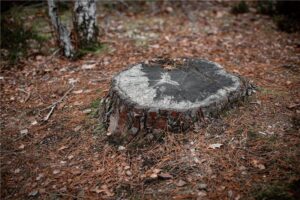
HOAs operate in a shared environment where one failing tree can affect parked vehicles, common-area pathways, roofs, fences, and resident confidence. Board members are expected to be prudent, but they are also managing reserve studies, annual budgets, and vendor accountability. They need recommendations they can defend in a meeting, not vague advice that creates more debate.
Municipal clients face another layer. Their trees serve the public, often in high-traffic settings, and maintenance decisions are exposed to scrutiny from residents, risk managers, procurement departments, and elected officials. A park supervisor may already know a eucalyptus line is overdue for structural work, but without a documented assessment and prioritization, funding gets pushed to the next cycle. A certified arborist helps translate field conditions into a maintenance sequence that can be scheduled and funded.
Estate properties tend to be more design-sensitive. Owners may have deep attachment to specimen trees, privacy screens, or historic plantings. In these settings, a recommendation cannot be reduced to cost alone. It has to account for views, architecture, circulation, event use, irrigation systems, and succession planting. A mature deodar cedar near a motor court presents very different concerns than a grove of pines at the back acreage, even if both show decline. Estate consultation often becomes part horticulture, part risk management, and part long-range site planning.
The difference between maintenance and risk management
Routine tree care and risk management overlap, but they are not the same thing. A property can spend money every year on trimming and still miss the trees that pose the highest concern. That usually happens when work is driven by complaints rather than by inspection.
A branch hanging low over a sidewalk gets attention quickly because people see it daily. A decayed union thirty feet up in a tree near a pool house might go unnoticed for years. The arborist’s role is to reset priorities around exposure and likelihood, not just visibility. That is why Dangerous Tree Assessment and Removal should never be treated as a generic add-on service. It requires judgment about defect severity, species failure patterns, target occupancy, seasonal load, and the realistic benefit of mitigation.
Some trees can be retained safely with focused intervention. Strategic reduction pruning, load management, or Tree Cable and Bracing can meaningfully lower failure potential when installed for the right reasons and inspected on schedule. Other trees are beyond that point. If root plate instability, extensive decay, or repeated major failures are present, Tree Removal Services become the responsible recommendation, especially where public occupancy is high.
The difficult cases are usually the middle ground. A large shade tree with one major defect, substantial amenity value, and moderate targets below might justify retention with active management. The same tree over a school pickup lane or crowded pool deck may not. Good consultation does not pretend those are identical decisions.
What an arborist report should give a property manager
Property managers and board members do not need pages of botanical language if that language does not lead to action. The strongest reports are clear, specific, and usable. They identify priorities, assign urgency where needed, and distinguish maintenance from hazard mitigation.
A useful report usually covers the observed condition of each tree or tree group, the likely concerns driving that condition, the relative risk level based on site use, and the recommended response. It should also indicate whether the issue calls for near-term work, seasonal scheduling, reinspection, or a longer capital plan. When removals are recommended, the rationale should be easy to understand. When preservation is possible, the maintenance path should be equally clear.
This is especially important for communities and public entities that need to compare bids. One contractor may propose broad canopy thinning across an entire site because it sounds proactive. Another may recommend selective reduction, end weight management, or crown cleaning only where justified. Without a qualified consultation up front, owners end up comparing prices for completely different scopes of work.
Common site problems that change tree behavior
Trees tell the truth about a site. The challenge is knowing how to read them.
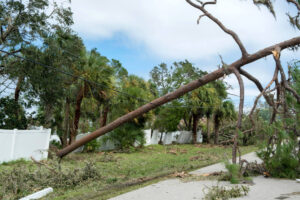
On HOA properties, chronic over-irrigation is a frequent problem, particularly where turf and trees share the same schedule. Species that prefer deep, infrequent watering are forced into shallow root habits. Over time, roots creep toward surface moisture, sidewalks lift, and the tree becomes more vulnerable to drought swings when irrigation is reduced. The response is not always pruning. Sometimes the better investment is irrigation redesign, mulch expansion, and soil management.
On municipal grounds, repeated root disturbance is a common trigger for decline. Sidewalk replacement, utility trenching, curb work, and landscape renovations often happen in separate departments and over multiple years. Each project takes a little more from the root zone. Then a few seasons later, the crown begins to thin and the tree gets blamed for “sudden” failure. The arborist sees the pattern sooner because the pattern has a history.
Estate properties often suffer from aesthetic maintenance that quietly undermines tree stability. Clean trunk lines, overexposed root flares, excessive interior thinning, and underplanting too close to woody stems can all create stress. One estate I evaluated had a row of old olives that looked immaculate from the drive. Up close, every tree had aggressive interior clearing and repeated heading cuts hidden inside the canopy. From a distance the screen looked refined. Structurally it was becoming brittle and sparse. The fix was not dramatic, but it required several seasons of patient corrective work and a reset of maintenance expectations.
When Tree Pruning & Crown Shaping is the right answer
Pruning is the most over-requested and most misunderstood tree service on larger properties. Many owners ask for “thinning” when what they really want is clearance, symmetry, light penetration, reduced debris, or peace of mind before storm season. Those are different objectives, and they call for different cuts.
Thoughtful Tree Pruning & Crown Shaping improves structure, manages clearance, reduces deadwood, and can moderate end weight on vulnerable limbs. It can also preserve a tree’s form, which matters on prestige properties and in neighborhoods where mature canopy defines the visual identity of the community. Poor pruning, by contrast, often creates the very hazards owners hoped to avoid. Excessive thinning can increase Tree Removal Services movement in the wind, expose interior limbs to sunscald, and stimulate weakly attached regrowth.
Good arborists also know when not to prune. A stressed tree in summer heat, a species prone to disease entry during a certain season, or a tree already short on live canopy may be better served by deferred work or a lighter touch. Pruning should solve a defined problem, not satisfy a vague sense that every tree needs annual cutting.
Removal decisions, and why they should be documented carefully
No one wants to remove a mature tree without cause. Yet some properties hold onto failing trees well past the point of reasonable management because the canopy is valuable, replacement feels daunting, or the defect is hidden from casual view.
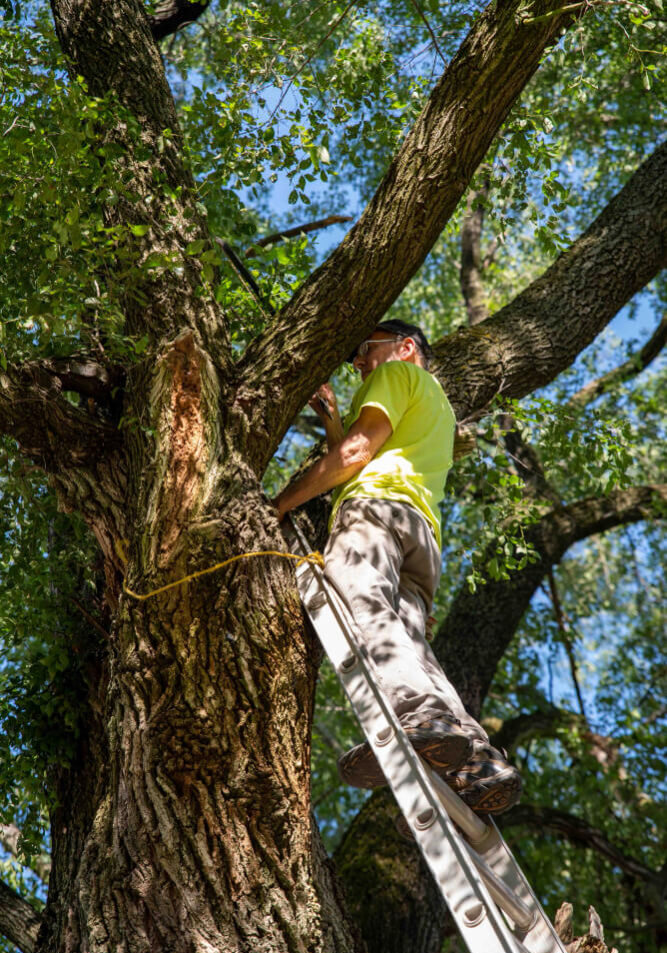
Removal decisions deserve careful documentation because they are often the most expensive and most emotionally contested recommendations in the report. A certified arborist should explain whether the issue is structural, physiological, site-related, or a combination. If a tree has significant lean, root plate movement, fungal indicators at the base, extensive dead scaffold wood, or advanced trunk decay in a high-target area, those details should be spelled out plainly.
Tree Removal Services also need to be planned in context. On HOAs and estates, access can drive cost as much as tree size. Narrow gates, decorative hardscape, pools, retaining walls, and neighboring structures may require piecing down sections by rigging rather than straightforward felling. On municipal sites, traffic control, pedestrian management, and utility coordination can add complexity. These details matter because boards and managers often see one removal bid that seems high until the site constraints are understood.
After removal, the conversation should not stop at the stump. Stump Removal & Grinding affects replanting, hardscape restoration, pest habitat, and trip hazards. In some cases, full grinding below grade is appropriate to make way for replacement planting or pathway repairs. In others, especially near sensitive roots of adjacent trees, a more limited approach may be wise. Consultation helps avoid one-size-fits-all cleanup decisions that create new problems.
Support systems and selective retention
Not every compromised tree needs to come down. In the right situation, Tree Cable and Bracing can extend the safe life of a valuable tree, especially one with codominant stems, included bark, or long lateral limbs over lower-use areas. The key is proper candidate selection and follow-through. Support systems are not permanent permission slips. They require installation standards, compatible pruning, and periodic inspection.
This is one of the most common misunderstandings among non-specialists. A cable does not make a bad tree good. It reduces movement and redistributes load in a tree that still has enough sound structure and vitality to justify retention. If decay is too advanced or root integrity is compromised, support hardware may offer false confidence. That is why the consultation stage matters so much. Hardware should be a considered choice, not a reflex.
I have seen support systems save legacy trees that defined an entrance drive or framed a historic residence for decades. I have also seen cables installed in trees that were already declining irreversibly, usually because the owner could not bear to remove them. The difference lies in honest assessment and a maintenance plan that continues after installation.
Emergency work is different from urgent work
Property owners often use the word emergency loosely. A split limb over an occupied lane after a windstorm is an emergency. A declining pine that should have been removed last winter is urgent, but not the same thing.
That distinction matters because Emergency Tree Services are usually performed under pressure, sometimes in poor weather, low visibility, or with restricted access. The first objective is stabilization and public safety. Full corrective work may come later. A professional response includes scene assessment, hazard isolation, coordination with utilities if lines are involved, and a clear understanding of what must happen immediately versus what can wait for daylight and a full crew.
For HOAs and municipalities, emergency planning should begin long before the storm. Properties with mature canopy, hillside exposure, or known defect trees benefit from pre-storm inspections, vendor relationships, and priority maps. Estates with long drives, gates, and remote sections should know which trees are most likely to block access during severe weather. This is another place where consultation pays for itself. The best emergency response is often the hazard you addressed six months earlier.
Wildfire concerns are changing the consultation process
In fire-prone regions, tree care can no longer be separated from defensible space and ignition risk. Wildfire Mitigation Tree Services are not about stripping a site bare. They are about managing ladder fuels, crown spacing, dead material, access routes, and species placement while preserving shade and long-term landscape function.
Municipal and HOA properties often struggle here because the landscape was designed for aesthetics decades ago, before current fire behavior was fully understood. Dense screening near structures, resinous species close to eaves, accumulated litter in slopes, and neglected lower limbs can all increase risk. Estate properties may have even greater complexity because ornamental plantings, woodland edges, guest houses, and long perimeter lines create many transition zones.
A certified arborist with wildfire awareness can help property owners avoid blunt, counterproductive measures. Over-thinning a canopy can dry the site, increase sun exposure, and trigger stress. Removing every lower limb without considering species form and slope can damage the tree without meaningfully improving fire performance. The better approach is site-specific and layered, balancing fuel reduction with tree health, erosion control, and realistic maintenance capacity.
Budgeting without losing the canopy
The hardest conversations are usually about money, not biology. Most large properties cannot do every recommended item in one season, especially after years of deferred maintenance. The answer is not to ignore the report. It is to phase work intelligently.
This is where a prioritized consultation becomes a management tool rather than a one-time opinion. The first phase may focus on immediate hazard reduction and Emergency Tree Services readiness. The second may target corrective pruning in younger inventory, which often delivers strong long-term value at moderate cost. The third may address removals and replacement planning. Over time, the property shifts from reactive spending to predictable stewardship.
A practical prioritization often follows this sequence:
- Address trees with high-risk defects in high-occupancy areas.
- Correct structural issues in younger trees before they become expensive.
- Schedule health-based pruning and crown work for retainable mature trees.
- Remove failed stumps or conflicts that affect safety, access, or replanting.
- Build a replacement plan so canopy loss does not become permanent.
That sequence is not universal, but it reflects a reality many managers face. It is far easier to defend a phased plan grounded in risk and asset preservation than a cycle of complaint-driven trimming.
Choosing the right consultant and using the report well
Not every contractor-led inspection is a true arboricultural consultation. For complex properties, experience matters. The person evaluating the site should understand species performance in your region, pruning standards, failure patterns, municipal risk exposure, and how maintenance recommendations translate into work orders and bid scopes.
When you review a report, look for clarity over drama. Be cautious of anyone who labels half the site dangerous without context, or who recommends broad canopy reduction as the default answer. Likewise, be cautious of purely preservation-minded advice that avoids difficult removal decisions even where targets are obvious. Trees are living structures, not static ornaments, and the right recommendations often live in the middle ground between fear and sentiment.
The best consultations also think forward. If a line of aging pear trees is in slow decline, the report should discuss succession, not just this year’s pruning. If roots are damaging walks repeatedly, the answer may involve species replacement over time, not another round of root cutting. If wildfire pressure is increasing at the property edge, recommendations should account for how maintenance will need to change in the next five to ten years.
For HOA boards, municipal departments, and estate managers, that kind of foresight is the real value. Certified Arborist Consultation is not just about identifying defects. It is about helping properties keep their canopy, reduce avoidable risk, and spend money where it does the most good. When that work is done well, the results show up everywhere, in safer walkways, healthier shade, fewer emergency calls, cleaner bid scopes, and landscapes that continue to mature instead of gradually unraveling.
Name: Ace Tree Services Ltd.
Address: 4656 Wallace Hill Rd, Kelowna, BC V1W 4C2, Canada
Phone: 250-212-9593
Website: https://acetree.ca/
Email: [email protected]
Hours:
Sunday: Closed
Monday: 7:00 AM–5:00 PM
Tuesday: 7:00 AM–5:00 PM
Wednesday: 7:00 AM–5:00 PM
Thursday: 7:00 AM–5:00 PM
Friday: 7:00 AM–5:00 PM
Saturday: 7:00 AM–5:00 PM
Time zone: Pacific Time
Open-location code / Plus code: RHF8+8G Kelowna, British Columbia, Canada
Map/listing URL: https://www.google.com/maps/search/?api=1&query=Google&query_place_id=ChIJxRVIBx2LfVMRNRSkp6-IC0U
Embed iframe:
Socials:
https://www.facebook.com/p/Ace-Tree-Services-61585901931447/
Ace Tree Services Ltd. provides professional tree care from its Kelowna location on Wallace Hill Road.
The official website lists tree removal, stump removal and grinding, tree pruning and crown shaping, emergency tree services, certified arborist consultation, dangerous tree assessment and removal, tree cabling and bracing, and wildfire mitigation.
Ace Tree Services serves homeowners, businesses, and property owners in Kelowna and throughout the Okanagan Valley.
The company’s official site highlights ISA Certified Arborist support, local Okanagan experience, and fully insured tree service work.
Customers can contact Ace Tree Services for planned tree maintenance, high-risk removals, storm-related tree concerns, pruning, stump grinding, and arborist consultation needs.
The supplied public listing address is 4656 Wallace Hill Rd, Kelowna, BC V1W 4C2, near rural and residential service areas in southeast Kelowna.
For tree services in Kelowna and the Okanagan, call 250-212-9593, email [email protected], or visit https://acetree.ca/
The public map listing uses plus code RHF8+8G Kelowna, British Columbia, Canada and can help customers find Ace Tree Services Ltd. near Wallace Hill Road.
Popular Questions About Ace Tree Services Ltd.
What does Ace Tree Services Ltd. do?
Ace Tree Services Ltd. provides tree removal, stump removal and grinding, tree pruning and crown shaping, emergency tree service, certified arborist consultation, dangerous tree assessment and removal, tree cabling and bracing, and wildfire mitigation.
Where is Ace Tree Services Ltd. located?
Ace Tree Services Ltd. is listed at 4656 Wallace Hill Rd, Kelowna, BC V1W 4C2, Canada.
What phone number should customers call?
Customers can call Ace Tree Services Ltd. at 250-212-9593.
What is the email address for Ace Tree Services Ltd.?
The supplied email address is [email protected].
What are Ace Tree Services Ltd.’s hours?
The supplied listing hours show Monday through Saturday from 7:00 AM to 5:00 PM, with Sunday closed, Pacific Time. The official website lists 7:00 AM to 5:00 PM, Monday through Friday, so customers should confirm Saturday availability before booking.
Does Ace Tree Services Ltd. provide emergency tree service?
Yes. The official website lists emergency tree services, including emergency tree removal, dangerous tree assessment, emergency stabilization, and limb or branch cleanup.
Does Ace Tree Services Ltd. offer arborist consultations?
Yes. The official services page lists certified arborist consultation as one of the company’s Okanagan tree services.
Does Ace Tree Services Ltd. provide stump grinding?
Yes. The official services page lists stump removal and grinding as a service.
What areas does Ace Tree Services Ltd. serve?
The official website states that Ace Tree Services serves Kelowna and the Okanagan Valley.
How do I contact Ace Tree Services Ltd.?
Call 250-212-9593, email [email protected], visit https://acetree.ca/, or use the listed social profile: Facebook.
Landmarks Near Kelowna, BC
Wallace Hill Road: The road listed for Ace Tree Services Ltd. and a practical reference point for the company’s Kelowna location.
East Kelowna: A nearby rural and residential area where tree maintenance, pruning, removals, and wildfire mitigation can be important for property owners.
Myra-Bellevue Provincial Park: A major outdoor landmark southeast of Kelowna and a useful reference for the surrounding hillside and forested areas.
Gallagher’s Canyon: A nearby Kelowna community with residential properties, mature trees, and landscape maintenance needs.
Kettle Valley: A southeast Kelowna neighborhood with homes, parks, and landscaped properties.
Mission Creek Greenway: A well-known natural corridor in Kelowna and a local reference point for tree-lined recreation areas.
Orchard Park Shopping Centre: A major Kelowna retail landmark and citywide reference point.
Downtown Kelowna: A central business and residential district within Ace Tree Services’ broader Kelowna service area.
Okanagan Lake: A major regional landmark running through Kelowna and the surrounding Okanagan Valley.
Mission Creek Regional Park: A recognizable Kelowna park and natural landmark with extensive trees and trails.
Rutland: A large Kelowna community with residential and commercial properties that may need tree service support.
Glenmore: A Kelowna neighborhood with homes, parks, and established trees.
Lower Mission: A residential and lake-adjacent Kelowna area where pruning, tree health, and property safety can matter for homeowners.
Kelowna International Airport: A major transportation landmark north of central Kelowna.
West Kelowna: A nearby Okanagan community across the lake and a practical regional service reference.
For tree removal, stump grinding, pruning, crown shaping, emergency tree service, arborist consultation, dangerous tree assessment, cabling and bracing, or wildfire mitigation near these Kelowna and Okanagan landmarks, contact Ace Tree Services Ltd. at 250-212-9593, email [email protected], or visit https://acetree.ca/