Dangerous Tree Assessment and Removal During Renovation and Site Work
Renovation changes more than a building. The moment heavy equipment rolls onto a property, old assumptions about the landscape stop being reliable. A tree that looked stable for years can become a genuine hazard once grading begins, roots are cut, soil is compacted, or access roads are pushed through the lot. That is why dangerous tree assessment and removal needs to be handled early, carefully, and with a clear understanding of how construction activity affects tree stability.
Property owners often think about trees late in the process. They are focused on permits, foundations, utility trenches, drainage, and budgets. Then a machine operator notices a lean, a cracked union, or fungal growth at the base of a large oak standing right where materials will be staged. At that point, decisions become expensive and rushed. I have seen projects lose days because a questionable tree was ignored until the excavation crew was already on site. I have also seen the opposite, where thoughtful planning preserved high value trees safely and avoided unnecessary removal.
The difference usually comes down to timing, field judgment, and respect for the fact that trees are living structures. They do not respond well to careless disturbance. When they fail during renovation, they rarely do it politely.
Why renovation creates tree hazards
A tree can stand for decades with hidden defects and still remain upright because the surrounding site conditions support it. Construction can strip away that support in a week. Cut roots on one side of the tree, lower the grade around the trunk, pile fill over the root flare, trench through structural roots, or compact the soil with repeated equipment traffic, and you have changed the load path and the tree’s ability to anchor itself.
The most common hazard appears after root loss. Many mature trees rely on broad, shallow root systems that extend well beyond the drip line. Contractors are often surprised by how far those structural roots travel. If a trench for utilities slices through a few major roots on the tension side of a leaning tree, the tree can become a failure candidate long before the canopy shows distress. Leaves may stay green for months while the real problem sits underground.
Demolition and excavation create a second class of risk. Vibration alone does not usually topple healthy trees, but vibration combined with compromised roots, internal decay, or preexisting cracks can push a weak tree past its limit. Add a storm event to an already disturbed site and failure becomes much more likely.
Then there is exposure. Trees that once stood in a sheltered grove may suddenly become edge trees after clearing. Wind loads change overnight. A tree that never had to absorb full prevailing winds is now standing alone near a new addition or an open pad. That shift matters, especially for species that tend to develop broad canopies and dense sail area.
The trees that deserve extra scrutiny
Every site is different, but a few conditions consistently raise concern. Large mature trees close to excavation deserve careful review. So do trees with codominant stems, included bark, visible cavities, conks, dead scaffold limbs, or previous topping wounds. A lean by itself is not always alarming, but a fresh lean with soil cracking or root plate movement is another matter entirely.
Species matters too. Some trees compartmentalize decay better than others. Some tolerate root disturbance poorly. Some become brittle with age. There is no substitute for local experience here, which is why a Certified Arborist Consultation is so valuable before site work begins. The arborist is not just identifying species, they are reading structure, vigor, defects, site history, and construction impacts as one system.
I remember a renovation where the owner wanted to preserve two mature maples near a planned driveway expansion. From the street, both looked similar in size and condition. Up close, one had minor deadwood and a good root flare. The other had a narrow included union and old woundwood indicating repeated branch failure. Once the proposed cut line for the driveway was flagged, the weaker maple would have lost a meaningful share of its support roots. Keeping it would have been a gamble. We removed that tree, protected the healthier one, and avoided what could have become a liability over the new pavement.
What a proper dangerous tree assessment involves
A real assessment is more than a quick glance upward. It starts with the target. What could the tree hit if it failed? During renovation, targets multiply quickly. Workers, lifts, fencing, power service, parked machines, temporary offices, and partially finished structures all raise the consequences of failure.
From there, the assessment moves through the whole tree and the surrounding site. The trunk is checked for seams, cavities, fruiting bodies, old wounds, and signs of decay. The canopy is reviewed for deadwood, poor architecture, overextended limbs, and asymmetrical weight distribution. The root zone is examined for girdling roots, heaving soil, root collar burial, fungal activity, drainage changes, and construction conflicts. An experienced arborist also asks what is about to change. A tree can pass inspection today and still become unsafe once grading cuts two feet into one side of the critical root zone.
When warranted, further evaluation tools may be used, but a great deal can be determined through careful visual assessment and site knowledge. The point is not to create paperwork for its own sake. The point is to make a sound decision before crews and structures are exposed to avoidable risk.
Removal is not always the first answer
Owners sometimes assume that any questionable tree near a project has to come down. That is not always true. Some trees can be retained safely with a mix of pruning, protection, support systems, and site redesign. Others should be removed without much debate because the defect is severe, the target is high value, or the planned disturbance is too great.
The best decisions usually sit in the middle ground, where preservation goals are balanced against risk tolerance and construction realities. A mature shade tree may justify extra effort if it adds major curb appeal, cooling, screening, or property value. But preserving a tree with advanced basal decay beside a new addition is often false economy. A failed retention strategy can cost more than proactive removal, especially once repair work, schedule disruption, and insurance exposure are considered.
This is where Tree Pruning & Crown Shaping, Tree Cable and Bracing, and protected root zones sometimes play a useful role. Pruning can reduce end weight and remove defective limbs. Cabling or bracing may support selected stems in trees with manageable structural issues. Neither measure should be treated as a cure-all. If the root system is compromised or the trunk base is unsound, support hardware in the canopy will not solve the real problem.
When removal becomes the responsible option
There are situations where dangerous tree assessment and removal leads clearly to one outcome. A tree with extensive root loss in the construction footprint, a decayed trunk near a work area, a split stem above occupied space, or severe dieback after major disturbance is often a poor candidate for retention. The larger the tree and the closer the target, the less room there is for wishful thinking.
Removal during site work also has to account for access and sequencing. Taking a tree down before excavation begins is usually cleaner, safer, and cheaper than trying to work around a half-built structure or a crowded staging area later. On tight sites, crane picks may be needed. On others, trees can be dismantled in pieces with rigging to protect nearby roofs, fences, and utilities. Skilled Tree Removal Services plan the drop zones, equipment paths, chipper access, and debris handling Emergency Tree Services before the first cut is made.
There is another practical issue owners sometimes overlook. Once a dangerous tree is identified, delay has a cost. Crews will not want to work under it. Inspectors may flag it. Lenders and insurers may ask questions if there is a documented hazard near active construction. Fast, competent action keeps the project moving.
Stumps, roots, and what happens after the tree is gone
Removal is only part of the job. If a tree stood in the way of a footing, slab, retaining wall, driveway, or utility corridor, the stump and major roots matter too. Stump Removal & Grinding is often necessary to clear the footprint, but the right method depends on what is being built and how deep future work will go.
Grinding is efficient when the goal is to remove the visible stump and allow surface restoration. Full stump extraction may be necessary where subsurface structures are planned. Root remnants can interfere with compaction, create voids as they decay, and conflict with hardscape installation. On the other hand, aggressive root extraction close to retained trees can cause collateral damage. The work needs to be scoped with the entire site plan in mind, not treated as an afterthought.
I have been on jobs where the tree removal itself was excellent, but the stump was left too high and too wide for the foundation crew’s tolerance. That led to a second mobilization, rework costs, and preventable frustration. Good coordination avoids that. The tree contractor, builder, and excavator should all know the final grade and structural needs before removal begins.
Emergency conditions during active construction
Not every tree problem shows up during planning. Storms hit mid-project. Saturated soils soften. A machine clips a root buttress. A partially decayed tree opens along an old crack after a wind event. That is when Emergency Tree Services become essential.
Speed matters in an emergency, but so does discipline. A hung limb over a scaffold or a tree leaning toward temporary power should not be handled casually. Construction sites already contain enough hazards without adding unstable timber under tension. The first step is securing the area and keeping unqualified workers out of Tree service the drop zone. The second is bringing in an arborist or qualified removal crew with the right equipment and authority to make the site safe.
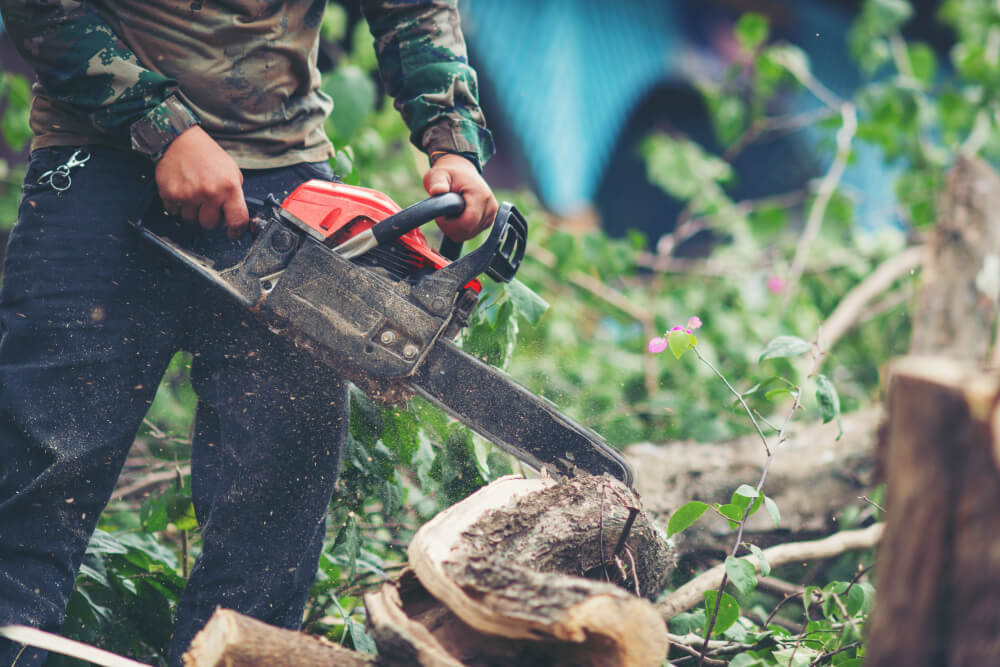
A common mistake is trying to fold emergency work into the normal construction rhythm. It needs its own safety perimeter, communication, and supervision. If a tree has partially failed, the loads within the wood can be unpredictable. Cuts that look simple from the ground can release violently. Professionals who do this work every week understand that the pressure wood, broken tops, and entangled limbs are often more dangerous than the obvious lean.
Protecting the trees worth keeping
The best dangerous tree assessment often ends with fewer removals than people expect, provided the trees selected for retention are protected properly. That protection needs to begin before demolition and continue until the site is stabilized. A fence at the edge of the root protection zone is far more useful than a note on a plan set that nobody follows in the field.
These measures consistently make a difference:
- Establish tree protection zones before equipment arrives
- Keep trenching, grading, and material storage out of protected root areas
- Prune correctly before construction, not after damage occurs
- Adjust site design when a retained tree’s structural roots are in conflict
- Inspect preserved trees at key construction stages
That list looks simple, but each line prevents a common failure. Material storage is a quiet killer of tree health. I have seen pallets of block, dumpsters, and soil stockpiles parked over root zones for weeks, compacting the soil until the retained trees declined after the project was finished. The owner blamed drought. The real damage had already been done by the build.
Tree Pruning & Crown Shaping can help retained trees tolerate changed conditions, especially if selective reduction improves clearance from structures or lessens wind load on a newly exposed edge tree. Done well, pruning respects the natural form and species response. Done poorly, it creates weak regrowth, sunscald, and long-term defects.
Fire risk and renovation in vulnerable areas
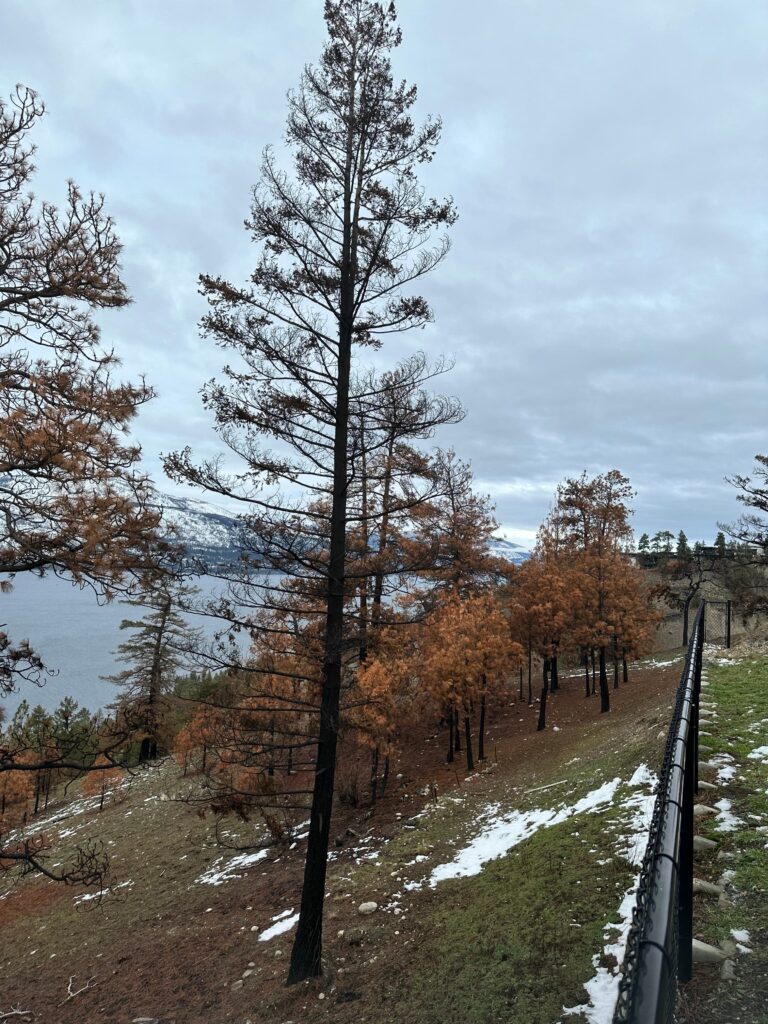
In regions with seasonal wildfire risk, renovation often triggers another conversation: how to manage trees near structures without stripping the site bare. Wildfire Mitigation Tree Services focus on spacing, ladder fuel reduction, deadwood removal, and species-specific management near buildings and access routes. During a remodel or expansion, this is the right time to review defensible space with a practical eye.
Not every large tree near a structure is a fire hazard in the same way. A healthy, well-spaced tree with a raised canopy can be compatible with mitigation goals. Dense understory, dead branches, conifer limbs brushing the roofline, and accumulated debris are often the more urgent problems. The challenge is to reduce ember pathways and flame contact while preserving shade, privacy, and slope stability where possible.
Wildfire work also intersects with emergency planning. If a dangerous tree blocks access for fire apparatus or threatens a narrow evacuation route, removal may be justified even if the tree has landscape value. These are not abstract concerns on active job sites where materials, generators, and temporary utilities can increase ignition exposure.
How experienced contractors sequence the work
The smoothest projects treat tree decisions as part of preconstruction, not as cleanup. That means marking retain and remove trees early, walking the site with the builder and arborist, and aligning the tree plan with the grading, drainage, and utility plan. Once those pieces are in sync, crews can move with confidence.
A useful work sequence often looks like this:
- Assess existing trees and identify hazards before final site layout
- Decide which trees are to be preserved, supported, pruned, or removed
- Install protection fencing and access controls
- Complete removals and stump work before major excavation where possible
- Revisit retained trees after grading, trenching, and major weather events
That last point deserves emphasis. Conditions change during construction. A tree that was stable at the start of the project may need another look after nearby excavation, prolonged rain, or a windstorm. Follow-up assessment is not redundant, it is responsible.
Cost, liability, and the temptation to postpone
Owners sometimes push tree decisions down the road because they do not want another line item in the budget. That instinct is understandable, but it can be shortsighted. Proper dangerous tree assessment and removal often saves money by preventing work stoppages, equipment damage, hardscape conflicts, and claims after a failure.
The true cost of postponement rarely shows up in the initial estimate. It appears when the framer refuses to set trusses under a compromised tree, when a crane rental sits idle because the removal was not coordinated, or when a root-damaged tree fails six months after the renovation and lands on the new work. Insurance carriers and attorneys pay close attention to whether a hazard was identifiable and whether reasonable action was taken once it was known.
Certified Arborist Consultation is especially valuable here because it creates an informed basis for action. Sometimes that means preserving a tree with documented mitigation steps. Sometimes it means removing a high-risk specimen before the project advances. Either way, the decision rests on observed conditions and professional judgment, not guesswork.
The value of clear communication on site
One of the most underrated parts of tree risk management is communication. The builder, arborist, tree crew, excavator, and owner need the same understanding of what is being protected, what is being removed, and what activities are prohibited near retained trees. Verbal instructions are not enough on busy sites. Trees should be marked clearly, fenced clearly, and referenced in site meetings when work phases change.
I have seen avoidable losses simply because one subcontractor never got the message. A retaining wall crew stored stone in a protected area for two days. Another crew washed out concrete near a root zone. A plumbing trench drifted three feet off its intended line and cut through the support roots of a specimen tree that the owner had specifically wanted to save. None of those mistakes came from bad intentions. They came from poor coordination.
What owners and project managers should expect from a tree professional
A credible tree professional should be willing to explain not just what they recommend, but why. If a tree needs to be removed, the structural or site reasons should be clear. If retention is possible, the limits and follow-up requirements should also be clear. Good recommendations are specific. They account for species, size, targets, defects, access, sequencing, and the proposed scope of construction.
That level of detail is what separates routine yard work from real project support. Tree work around renovation is not just about cutting and hauling. It is about integrating biology, risk, equipment logistics, and construction timing into decisions that hold up under pressure.
Dangerous trees do not become less dangerous because a project is busy or behind schedule. If anything, the pace of site work makes early judgment more valuable. When tree hazards are assessed properly, removals are handled by qualified crews, and preservation measures are enforced for the trees worth keeping, the project moves forward with fewer surprises and a much better margin of safety.
Name: Ace Tree Services Ltd.
Address: 4656 Wallace Hill Rd, Kelowna, BC V1W 4C2, Canada
Phone: 250-212-9593
Website: https://acetree.ca/
Email: [email protected]
Hours:
Sunday: Closed
Monday: 7:00 AM–5:00 PM
Tuesday: 7:00 AM–5:00 PM
Wednesday: 7:00 AM–5:00 PM
Thursday: 7:00 AM–5:00 PM
Friday: 7:00 AM–5:00 PM
Saturday: 7:00 AM–5:00 PM
Time zone: Pacific Time
Open-location code / Plus code: RHF8+8G Kelowna, British Columbia, Canada
Map/listing URL: https://www.google.com/maps/search/?api=1&query=Google&query_place_id=ChIJxRVIBx2LfVMRNRSkp6-IC0U
Embed iframe:
Socials:
https://www.facebook.com/p/Ace-Tree-Services-61585901931447/
Ace Tree Services Ltd. provides professional tree care from its Kelowna location on Wallace Hill Road.
The official website lists tree removal, stump removal and grinding, tree pruning and crown shaping, emergency tree services, certified arborist consultation, dangerous tree assessment and removal, tree cabling and bracing, and wildfire mitigation.
Ace Tree Services serves homeowners, businesses, and property owners in Kelowna and throughout the Okanagan Valley.
The company’s official site highlights ISA Certified Arborist support, local Okanagan experience, and fully insured tree service work.
Customers can contact Ace Tree Services for planned tree maintenance, high-risk removals, storm-related tree concerns, pruning, stump grinding, and arborist consultation needs.
The supplied public listing address is 4656 Wallace Hill Rd, Kelowna, BC V1W 4C2, near rural and residential service areas in southeast Kelowna.
For tree services in Kelowna and the Okanagan, call 250-212-9593, email [email protected], or visit https://acetree.ca/
The public map listing uses plus code RHF8+8G Kelowna, British Columbia, Canada and can help customers find Ace Tree Services Ltd. near Wallace Hill Road.
Popular Questions About Ace Tree Services Ltd.
What does Ace Tree Services Ltd. do?
Ace Tree Services Ltd. provides tree removal, stump removal and grinding, tree pruning and crown shaping, emergency tree service, certified arborist consultation, dangerous tree assessment and removal, tree cabling and bracing, and wildfire mitigation.
Where is Ace Tree Services Ltd. located?
Ace Tree Services Ltd. is listed at 4656 Wallace Hill Rd, Kelowna, BC V1W 4C2, Canada.
What phone number should customers call?
Customers can call Ace Tree Services Ltd. at 250-212-9593.
What is the email address for Ace Tree Services Ltd.?
The supplied email address is [email protected].
What are Ace Tree Services Ltd.’s hours?
The supplied listing hours show Monday through Saturday from 7:00 AM to 5:00 PM, with Sunday closed, Pacific Time. The official website lists 7:00 AM to 5:00 PM, Monday through Friday, so customers should confirm Saturday availability before booking.
Does Ace Tree Services Ltd. provide emergency tree service?
Yes. The official website lists emergency tree services, including emergency tree removal, dangerous tree assessment, emergency stabilization, and limb or branch cleanup.
Does Ace Tree Services Ltd. offer arborist consultations?
Yes. The official services page lists certified arborist consultation as one of the company’s Okanagan tree services.
Does Ace Tree Services Ltd. provide stump grinding?
Yes. The official services page lists stump removal and grinding as a service.
What areas does Ace Tree Services Ltd. serve?
The official website states that Ace Tree Services serves Kelowna and the Okanagan Valley.
How do I contact Ace Tree Services Ltd.?
Call 250-212-9593, email [email protected], visit https://acetree.ca/, or use the listed social profile: Facebook.
Landmarks Near Kelowna, BC
Wallace Hill Road: The road listed for Ace Tree Services Ltd. and a practical reference point for the company’s Kelowna location.
East Kelowna: A nearby rural and residential area where tree maintenance, pruning, removals, and wildfire mitigation can be important for property owners.
Myra-Bellevue Provincial Park: A major outdoor landmark southeast of Kelowna and a useful reference for the surrounding hillside and forested areas.
Gallagher’s Canyon: A nearby Kelowna community with residential properties, mature trees, and landscape maintenance needs.
Kettle Valley: A southeast Kelowna neighborhood with homes, parks, and landscaped properties.
Mission Creek Greenway: A well-known natural corridor in Kelowna and a local reference point for tree-lined recreation areas.
Orchard Park Shopping Centre: A major Kelowna retail landmark and citywide reference point.
Downtown Kelowna: A central business and residential district within Ace Tree Services’ broader Kelowna service area.
Okanagan Lake: A major regional landmark running through Kelowna and the surrounding Okanagan Valley.
Mission Creek Regional Park: A recognizable Kelowna park and natural landmark with extensive trees and trails.
Rutland: A large Kelowna community with residential and commercial properties that may need tree service support.
Glenmore: A Kelowna neighborhood with homes, parks, and established trees.
Lower Mission: A residential and lake-adjacent Kelowna area where pruning, tree health, and property safety can matter for homeowners.
Kelowna International Airport: A major transportation landmark north of central Kelowna.
West Kelowna: A nearby Okanagan community across the lake and a practical regional service reference.
For tree removal, stump grinding, pruning, crown shaping, emergency tree service, arborist consultation, dangerous tree assessment, cabling and bracing, or wildfire mitigation near these Kelowna and Okanagan landmarks, contact Ace Tree Services Ltd. at 250-212-9593, email [email protected], or visit https://acetree.ca/