Tree Cable and Bracing as a Tool for Risk Reduction
Trees fail in many different ways, and the hardest decisions in arboriculture usually live in the gray area between doing too little and doing too much. A tree may have value, size, beauty, shade, habitat, or history on its side, while also presenting defects, weak attachments, or exposure to a target beneath it. In that setting, Tree Cable and Bracing can be part of a thoughtful risk-reduction strategy, but only when it is considered in the broader context of tree risk assessment and overall tree care.
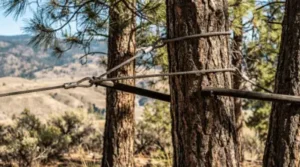
That broader context matters. The work itself is not casual yard maintenance. Pruning or removing trees, especially large trees, can be dangerous work and should be handled by people who are trained and properly equipped to work safely in trees. Professional tree service work commonly spans pruning, removal, maintenance, and storm-damage response for residential and commercial properties. When a structural support system is discussed, it should never be treated as a gadget that solves every problem. It is one tool among several, and it works best when selected for the right reason.
Risk reduction, not risk elimination
One of the most important truths in tree care is that there is no completely safe tree. Some level of risk always remains. That is not a cynical statement. It is a practical one, and it sets the tone for good decision-making. The goal is not to promise perfect safety. The goal is to identify, analyze, and evaluate risk in a systematic way, then recommend measures that bring risk to an acceptable level without unnecessary intervention.
This is where a lot of property owners, and frankly some contractors, lose the plot. If every defect automatically led to removal, we would lose many trees that could be managed. If every concern were answered with a quick support installation, we would keep trees standing that really needed a different response. Sound judgment sits in the middle.
A support system such as cabling or bracing belongs in that middle ground. It can reduce risk in some circumstances, especially when the issue is structural and when the tree still offers enough value and viability to justify retention. It is not a substitute for assessment. It is not a substitute for pruning. It is not a substitute for removal when removal is warranted.
Where Tree Cable and Bracing fits in the decision process
Before anyone talks about hardware, the first step is a proper look at the tree and the site. ISA guidance describes tree risk assessment as a systematic process. That wording matters because systematic assessment is different from guesswork and very different from fear-based sales. A professional should be asking what the defect is, what part might fail, what the likely target is, and whether the recommended treatment meaningfully changes the level of risk.
A Certified Arborist Consultation is useful here for exactly that reason. ISA Certified Arborists are trained in the art and science of tree care, pass a comprehensive exam, continue their education, and are expected to adhere to a Code of Ethics. That does not mean every certified person will make the same recommendation every time, but it does mean the conversation is being framed by training, standards, and professional accountability rather than impulse.
In practice, structural support tends to make sense only after the tree has been evaluated as a candidate for retention. If the assessment points toward a tree that is unsuitable to keep, the conversation shifts away from support and toward Dangerous Tree Assessment and Removal. If the tree can be retained, then the arborist may weigh several treatments together. Those may include Tree Pruning & Crown Shaping, structural support, monitoring, or changes in site use. In some situations, Tree Removal Services remain the most defensible option because they reduce the risk more directly than trying to support a compromised tree.
That nuance is what separates professional tree care from one-size-fits-all sales language.
Support systems work best as part of a package, not a standalone promise
A structural support system is rarely the whole answer. The ISA Certified Arborist exam outline mentions treatments such as pruning and structural support systems, and that pairing reflects how these decisions often work on real properties. If weight, leverage, crowding, or canopy structure contributes to concern, the support system may be considered alongside pruning that improves form or reduces load in a measured way.
That last phrase, in a measured way, is important. Utility-pruning guidance from ISA covers crown reduction, directional pruning, raising, and proper branch removal or reduction cuts, while warning against improper practices such as topping or leaving stub cuts. Those principles are not side notes. They shape whether the pruning helps the tree or weakens it further. Supporting a tree while subjecting it to poor pruning is not risk management. It is contradictory care.
When I explain this to clients, I often use a simple comparison. Installing support without appropriate pruning can be like tightening a seatbelt while leaving the door open. You have addressed one part of the problem, but not the whole situation. On the other hand, aggressive pruning without any structural thought can leave a retained tree disfigured or unnecessarily stressed. The better path is to match the treatment to the defect, the canopy, and the site.
The situations that deserve a closer look
There is no honest way to reduce this to a universal checklist, because trees vary too much in species, form, age, condition, and target use beneath them. Still, certain situations merit closer assessment for structural support as one possible treatment:
- a tree has a structural concern but still appears to be a retention candidate
- the site contains a meaningful target, such as regular occupancy or valuable use beneath the canopy
- pruning alone may not sufficiently address the concern
- immediate removal would be more intervention than the present level of risk justifies
- the owner understands that support reduces risk but does not remove it
Those points are not a prescription. They are a signal to slow down, assess carefully, and avoid easy answers.
Why the wrong recommendation can be expensive in both directions
Overtreatment and undertreatment each have costs. Overtreatment shows up when a property owner is sold a support system that does little to change the actual risk picture. That can create a false sense of security, and false confidence around a tree is one of the most dangerous outcomes in this field. If people believe a tree has been made “safe,” they may stop paying attention to changes in condition or fail to revisit the site after storms.
Undertreatment carries its own problems. If a tree with a manageable issue is left alone when pruning or support would have reduced risk, the owner may face preventable branch failure, property damage, or a compressed decision later during bad weather. That is where Emergency Tree Services often enter the story. Emergency work tends to happen under pressure, with limited options and higher exposure for everyone involved. It is usually better to make calm, informed choices before a defect becomes a crisis.
This is one reason experienced arborists spend so much time discussing the target, not just the tree. A defect in a quiet corner of a property does not present the same practical concern as a similar defect over a driveway, play area, or heavily used entrance. Risk is not just about the likelihood of failure. It is also about what the tree could hit.
Retention has value, but only when it is earned
Many clients begin these conversations with a simple question: can we save it? Sometimes the answer is yes, and support can help. Sometimes the answer is no, or not responsibly. Good tree care does not romanticize retention at all costs. Mature trees provide real value, but retaining a tree only makes sense when the remaining risk can be managed to an acceptable level through reasonable means.
That is where Dangerous Tree Assessment and Removal becomes the right phrase, not just a marketing term. The order of those words matters. Assessment comes first. Removal follows when the tree’s condition, structure, or site use justifies it. A support system should never be used to avoid a difficult but necessary removal. Likewise, removal should not be the reflex answer for every tree with a defect if other treatments can reasonably reduce risk.
After removal, site cleanup may include Stump Removal & Grinding, especially if the location needs to be restored for access, replanting, or everyday use. That is a separate service from risk mitigation in the standing tree, but it often becomes part of the larger property plan once the decision to remove has been made.
What professional judgment looks like on site
The public often sees tree work as a matter of chainsaws and climbing, but the more valuable part of the job is often the thinking that happens before the first cut. Professional judgment means understanding when to preserve, when to reduce, when to support, and when to remove. It also means recognizing the limits of each option.
An ISA Certified Arborist is trained not only in tree care practices but also in ongoing education and ethical conduct. That matters because the recommendation affects both safety and the long-term condition of the tree. A poor recommendation can leave the owner paying for repeated interventions that never address the core issue. A good recommendation is usually less flashy. It is specific, proportionate, and grounded in what the tree and site actually require.
There is also a practical safety dimension for the crew. Tree work can be dangerous, particularly in large trees and especially when storm damage or compromised structure is involved. If a tree has become unstable or partially failed, Emergency Tree Services may be needed to stabilize the situation or remove hazards. The decision to work in that tree, prune it, support it, or dismantle it must be made by trained professionals with the right equipment and methods. This is not a category of work where optimism should replace competence.
Storms, urgency, and the temptation to rush
Structural concerns often come to the surface after wind, heavy weather, or visible movement in the canopy. That is understandable. Clients call because something changed. A leader shifted, a limb cracked, or a previously ignored issue suddenly looks urgent. In that moment, the temptation is to demand a quick fix.
Quick fixes are rarely the right frame. Urgent response may absolutely be necessary, and that is where Emergency Tree Services have a legitimate role. But urgency should not erase assessment. Even when action has to happen quickly, the response still benefits from a clear professional judgment about whether support, pruning, restricted access, or removal best reduces the immediate risk.
Controlled lowering and rigging techniques are part of professional arboricultural practice, and ISA utility materials recognize their importance in tree work. That matters because the method of carrying out the work can be as important as the recommendation itself. A sound plan handled carelessly is still poor risk management.
Cabling and bracing should not excuse poor pruning
This point deserves its own section because it comes up so often in the field. Structural support does not give anyone permission to neglect canopy structure. ISA guidance on pruning warns against practices such as topping and stub cuts for good reason. Improper cuts can create new problems, weaken regrowth patterns, or compromise the tree’s form.
Tree Pruning & Crown Shaping, when done properly, can be part of risk reduction because it addresses canopy structure and load in a more biologically respectful way than crude cutting. When paired thoughtfully with support, pruning helps the overall plan make sense. When done badly, it undermines the plan.
Clients should be wary of recommendations that leap straight to hardware without a broader conversation about canopy condition and pruning needs. They should be equally wary of aggressive cutting presented as a miracle cure. Trees do not benefit from panic, and neither do property owners.
How broader property goals change the recommendation
Not every site has the same priorities. A shade tree near a home, a specimen at a commercial property, and a tree on land managed for wildfire exposure may call for different decisions even if they share structural concerns. The treatment has to fit the management objective.
This is where FireSmart Tree Services can intersect with risk reduction, although the objective is different. FireSmart work focuses on reducing wildfire-related hazards through strategic vegetation management. A tree that https://juliusjkxu588.lucialpiazzale.com/tight-access-tree-removal-services-for-small-yards might technically be retainable from a structural standpoint could still be addressed differently if the broader property goal is fuel management and defensible space. That does not make Tree Cable and Bracing irrelevant. It simply means support is not the only lens through which the tree is being evaluated.
The best recommendations account for these overlapping priorities without pretending they are all the same problem. Structural risk, occupancy targets, maintenance needs, emergency access, and fire-related considerations can all influence the final decision.
Questions worth asking before any work begins
Clients do not need to become arborists, but they should ask enough questions to understand the recommendation. A few straightforward ones tend to reveal whether the plan is thoughtful:
- what specific risk is being reduced by this recommendation
- why is support being chosen over pruning alone or removal
- who is performing the assessment and what arboricultural qualifications do they hold
- what follow-up observation or maintenance should be expected
- if conditions change, what would trigger a different recommendation
Those questions move the conversation away from vague reassurance and toward accountable decision-making.
Choosing the right tool, and sometimes choosing not to use it
Tree Cable and Bracing has a legitimate place in modern arboriculture because not every concerning tree should be removed and not every retained tree should be left untreated. Structural support can reduce risk when it is selected for the right tree, the right defect, and the right site. It belongs within a larger framework that includes assessment, pruning, monitoring, and when necessary, removal.
What matters most is not the hardware itself. It is the judgment behind the recommendation. Tree risk assessment is a systematic process. It asks what could fail, what could be hit, how serious the consequences may be, and what treatment best brings risk to an acceptable level. Sometimes the answer is a support system paired with Tree Pruning & Crown Shaping. Sometimes it is restricted access and observation. Sometimes it is Tree Removal Services followed by Stump Removal & Grinding. Sometimes a changing condition or storm damage calls for Emergency Tree Services without delay.
Good arboriculture rarely offers perfect certainty, but it does offer a disciplined way to make better decisions. A careful Certified Arborist Consultation can help property owners understand whether a tree should be supported, pruned, removed, or managed under a broader plan that may include FireSmart Tree Services. That is what real risk reduction looks like, not a promise of safety, but a reasoned effort to reduce avoidable harm while treating trees with respect and professional care.
Name: Ace Tree Services Ltd.
Address: 4656 Wallace Hill Road, Kelowna, BC
Phone: 250-212-9593
Website: https://acetree.ca/
Hours:
Monday: 7:00 AM–5:00 PM
Tuesday: 7:00 AM–5:00 PM
Wednesday: 7:00 AM–5:00 PM
Thursday: 7:00 AM–5:00 PM
Friday: 7:00 AM–5:00 PM
Saturday: 7:00 AM–5:00 PM
Sunday: Closed
Emergency tree services: 24/7 emergency service is listed.
Open-location code / Plus code: RHF8+8G Kelowna, British Columbia, Canada
Map/listing URL: https://www.google.com/maps/place/Ace+Tree+Services+Ltd./@49.8232606,-119.4337283,563m/data=!3m1!1e3!4m6!3m5!1s0x537d8b1d074815c5:0x450b88afa7a41435!8m2!3d49.8232606!4d-119.4337283!16s%2Fg%2F11ydkpnh22
Embed iframe:
Socials: https://www.facebook.com/people/Ace-Tree-Services/61585901931447/
https://m.yelp.com/biz/ace-tree-services-kelowna
Ace Tree Services Ltd. provides professional tree service for residential, commercial, and municipal customers in Kelowna and across the Okanagan Valley.
The company’s listed services include tree removal, stump removal and grinding, tree pruning and crown shaping, emergency tree services, certified arborist consultation, dangerous tree assessment, tree cable and bracing, and wildfire mitigation.
Ace Tree Services works with homeowners, businesses, property managers, and public-sector clients that need safe, practical tree care in the Kelowna area.
The official site highlights ISA-certified arborists, insurance, and experience handling both routine and complex tree service situations.
Customers can contact Ace Tree Services for tree care planning, hazard concerns, emergency tree cleanup, pruning needs, stump grinding, or advice about trees near homes, fences, driveways, and landscaping.
Ace Tree Services lists regular work hours from 7:00 AM to 5:00 PM Monday through Friday, with 24/7 emergency tree service available for urgent situations.
For tree service in Kelowna, call 250-212-9593 or visit https://acetree.ca/
The public map listing places Ace Tree Services Ltd. in Kelowna and can help customers find directions to the Wallace Hill Road area.
Popular Questions About Ace Tree Services Ltd.
What services does Ace Tree Services Ltd. provide?
Ace Tree Services Ltd. provides tree removal, stump removal and grinding, tree pruning and crown shaping, emergency tree services, certified arborist consultation, dangerous tree assessment and removal, tree cable and bracing, and wildfire mitigation.
Where is Ace Tree Services Ltd. located?
The official website lists Ace Tree Services Ltd. at 4656 Wallace Hill Road, Kelowna, BC.
What areas does Ace Tree Services Ltd. serve?
The official website describes Ace Tree Services as located in Kelowna and servicing the Okanagan.
What phone number should customers call?
Customers can call Ace Tree Services Ltd. at 250-212-9593.
What are Ace Tree Services Ltd.’s regular hours?
The official website lists work hours as 7:00 AM to 5:00 PM, Monday through Friday. Saturday and Sunday regular hours are not listed and should be confirmed directly.
Does Ace Tree Services Ltd. offer emergency tree service?
Yes. The official website lists 24/7 emergency services for urgent tree situations, including emergency tree removal, dangerous tree assessment, stabilization, and limb or branch cleanup.
Does Ace Tree Services Ltd. have certified arborists?
Yes. The official website states that Ace Tree Services has ISA-certified arborists.
Can Ace Tree Services Ltd. help with wildfire mitigation?
Yes. Wildfire mitigation is listed as one of the company’s tree services.
How do I contact Ace Tree Services Ltd.?
Call 250-212-9593 or visit https://acetree.ca/.
Landmarks Near Kelowna, BC
Wallace Hill Road: A local Kelowna road near the address listed for Ace Tree Services Ltd.
Okanagan Lake: A major Kelowna landmark near residential, commercial, and waterfront properties that may need tree pruning, removal, or hazard assessment.
Downtown Kelowna: A central area with homes, offices, rental properties, restaurants, and commercial sites that may need professional tree care.
Mission / Lower Mission: A well-known Kelowna area with mature landscaping, residential properties, and lake-adjacent homes.
South East Kelowna: A rural and residential area with larger properties, orchards, and tree-care needs that can include pruning, removals, and wildfire mitigation.
Crawford: A residential area near the southeast side of Kelowna where homeowners may need tree trimming, hazard assessment, and stump grinding.
Kettle Valley: A hillside residential neighborhood where tree condition, slope, wind exposure, and defensible-space planning can matter for property owners.
Myra-Bellevue Provincial Park: A major outdoor landmark near southeast Kelowna and a useful point of orientation for nearby properties.
Gallagher’s Canyon: A residential and golf community near southeast Kelowna where tree maintenance and wildfire-conscious vegetation management can be practical concerns.
Orchard Park Shopping Centre: A major central Kelowna retail landmark and reference point for customers traveling across the city.
Highway 97: A major Kelowna corridor connecting neighborhoods, commercial properties, and service routes throughout the region.
Kelowna City Park: A recognizable central landmark near downtown neighborhoods and lakefront properties.
Glenmore: A Kelowna neighborhood with residential and commercial properties that may need pruning, storm cleanup, and general tree care.
Rutland: A large residential and commercial area where customers may need tree removal, pruning, stump grinding, or arborist consultation.
Black Mountain: A hillside community where slope, wind, wildfire exposure, and access can influence tree service planning.
For tree service near these Kelowna landmarks, contact Ace Tree Services Ltd. at 250-212-9593 or visit https://acetree.ca/